








The Cost of Neglect: Why Pre-Winter Care Matters
Step 1: The "High and Dry" Strategy (Storage & Utility)
The first rule of winter-proofing is getting everything off the ground. Standing water is the enemy of longevity.
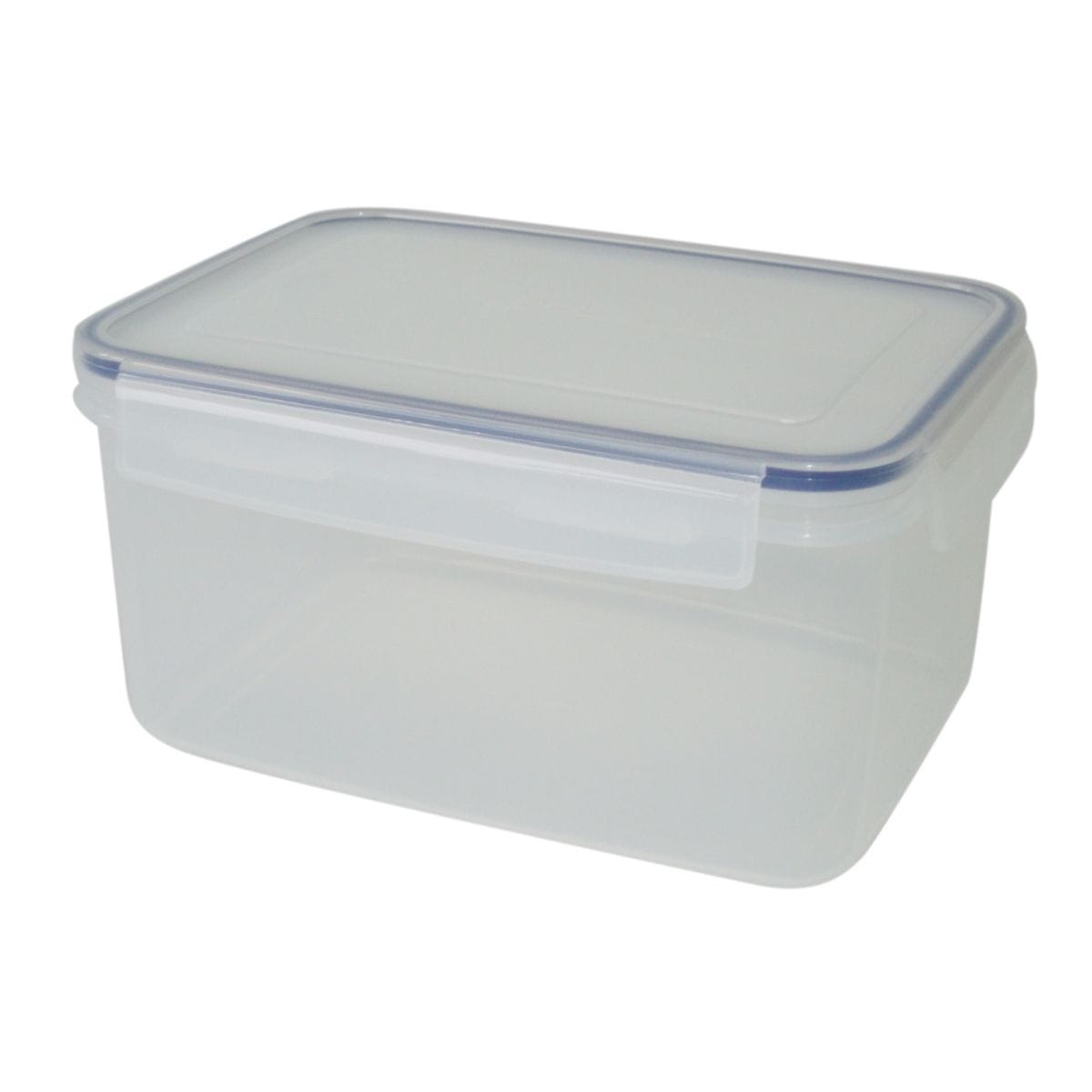
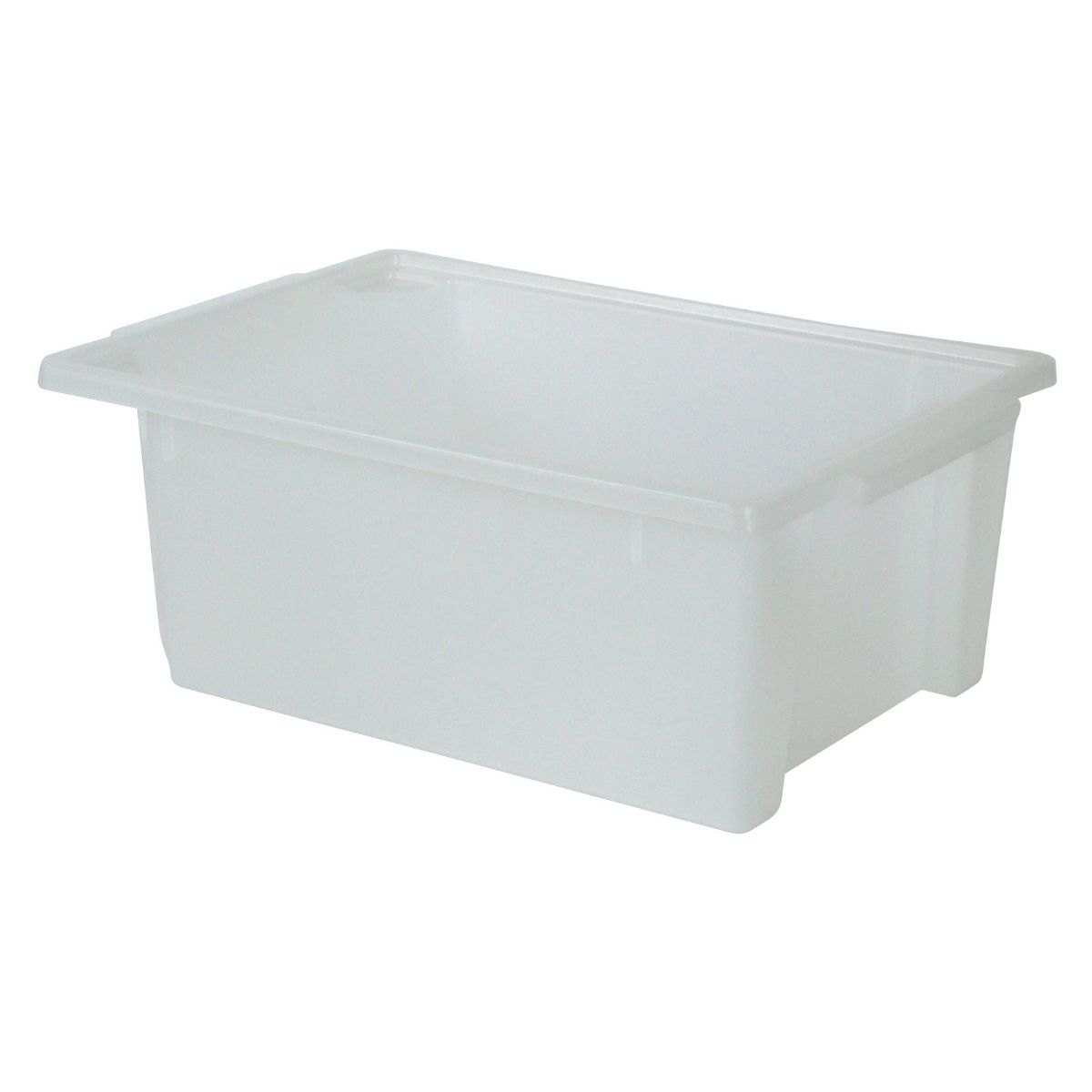
The Soft Goods Swap: Cushions, outdoor rugs, and decorative throws are the first victims of April mildew. Don’t just shove them in a corner of the garage. Use our Heavy Duty Tubs with secure lids. These are designed to be stackable and moisture-resistant, ensuring your soft goods stay bone-dry and spider-free until the first warm day of September.
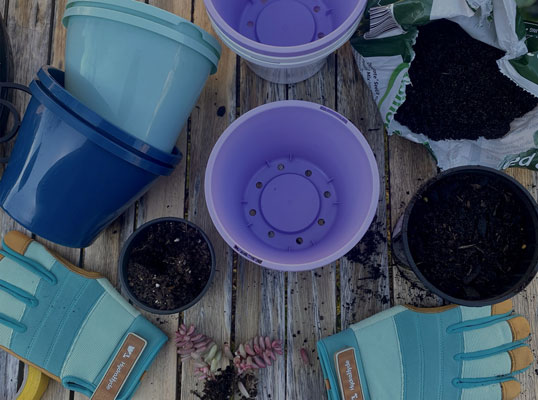
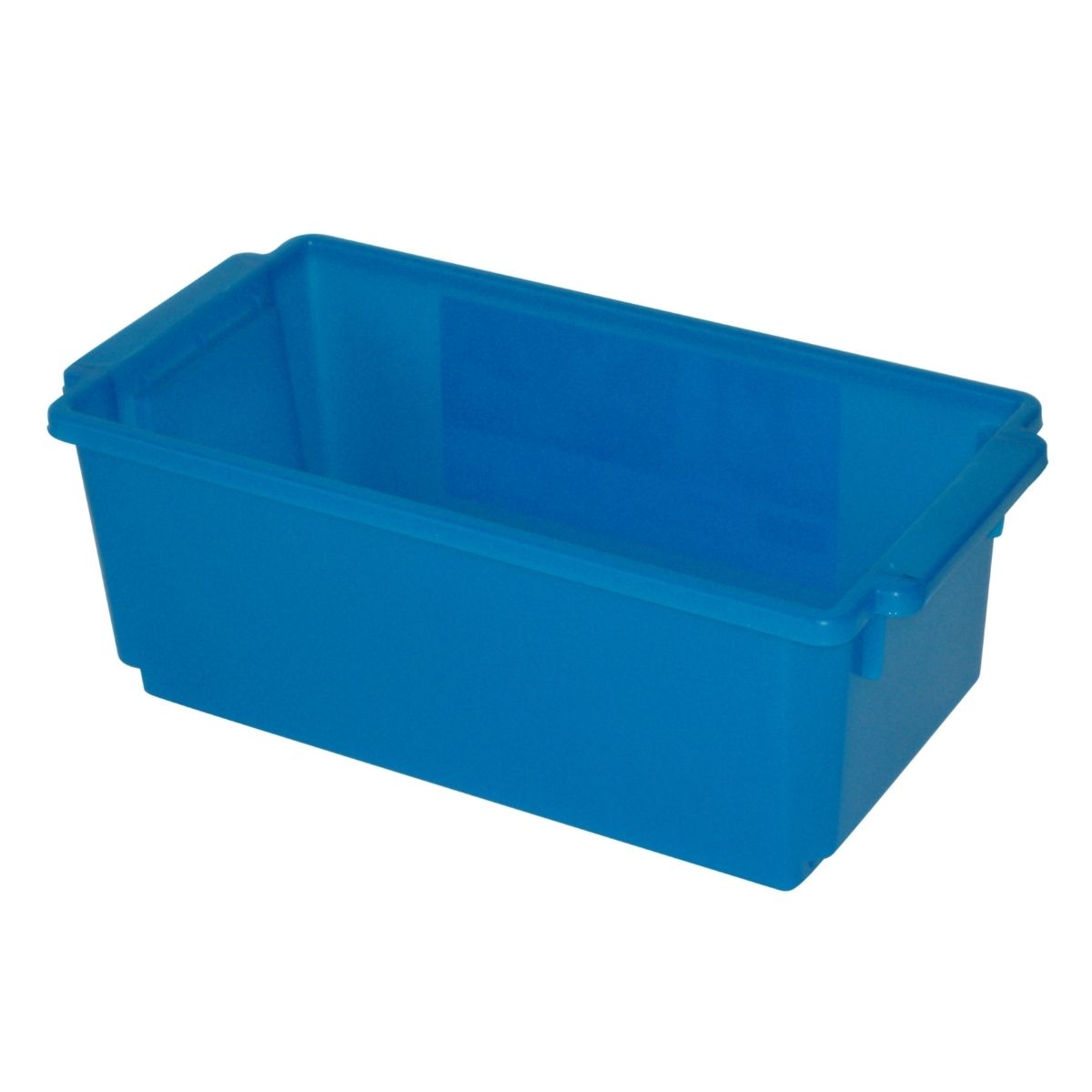
Tool Protection: Your gardening trowels, shears, and gloves shouldn’t spend winter in a damp shed corner. Use a dedicated Home Leisure Organiser Tub to create a “Winter Tool Kit.” A quick wipe with a rag and a drop of oil before they go into the tub will prevent rust entirely.
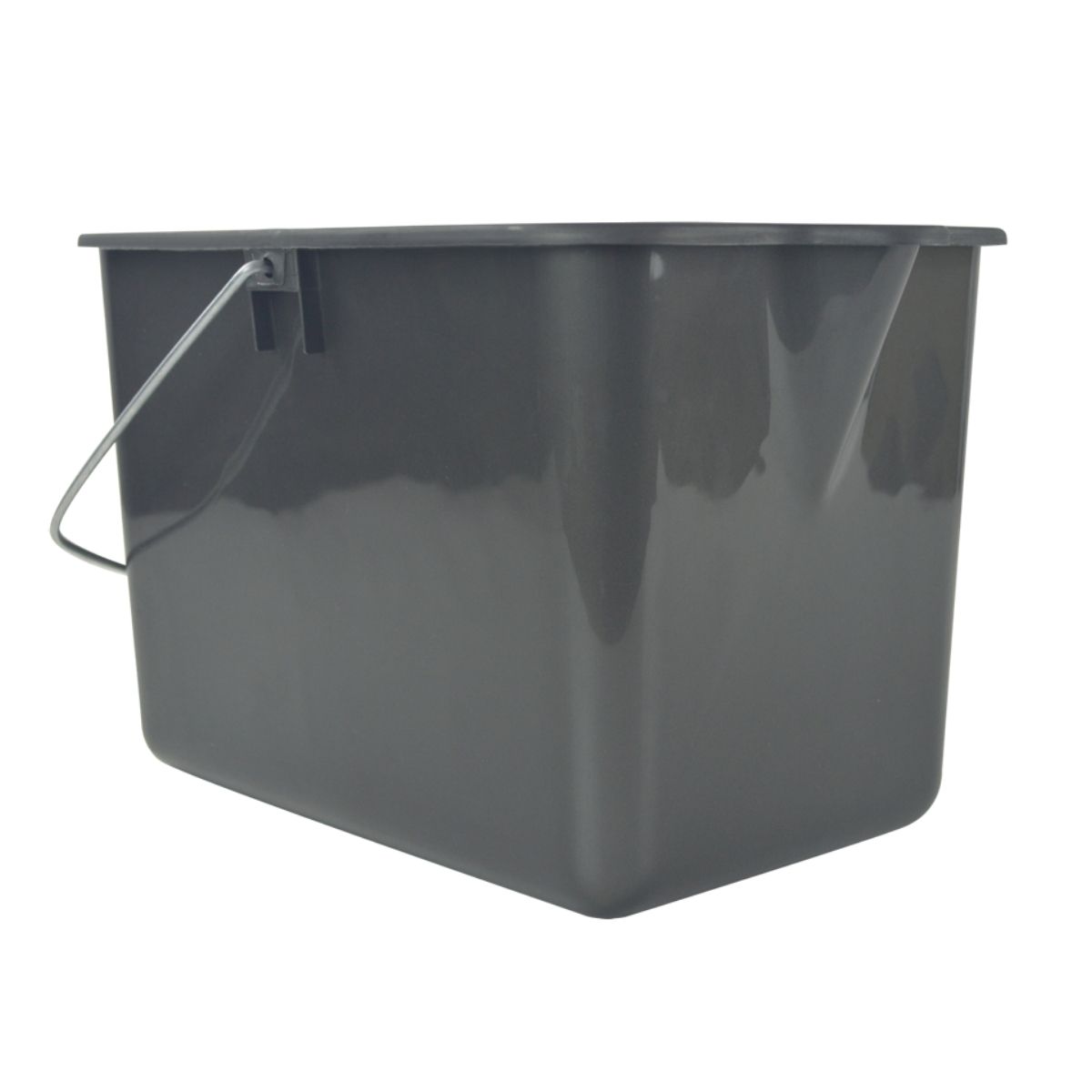
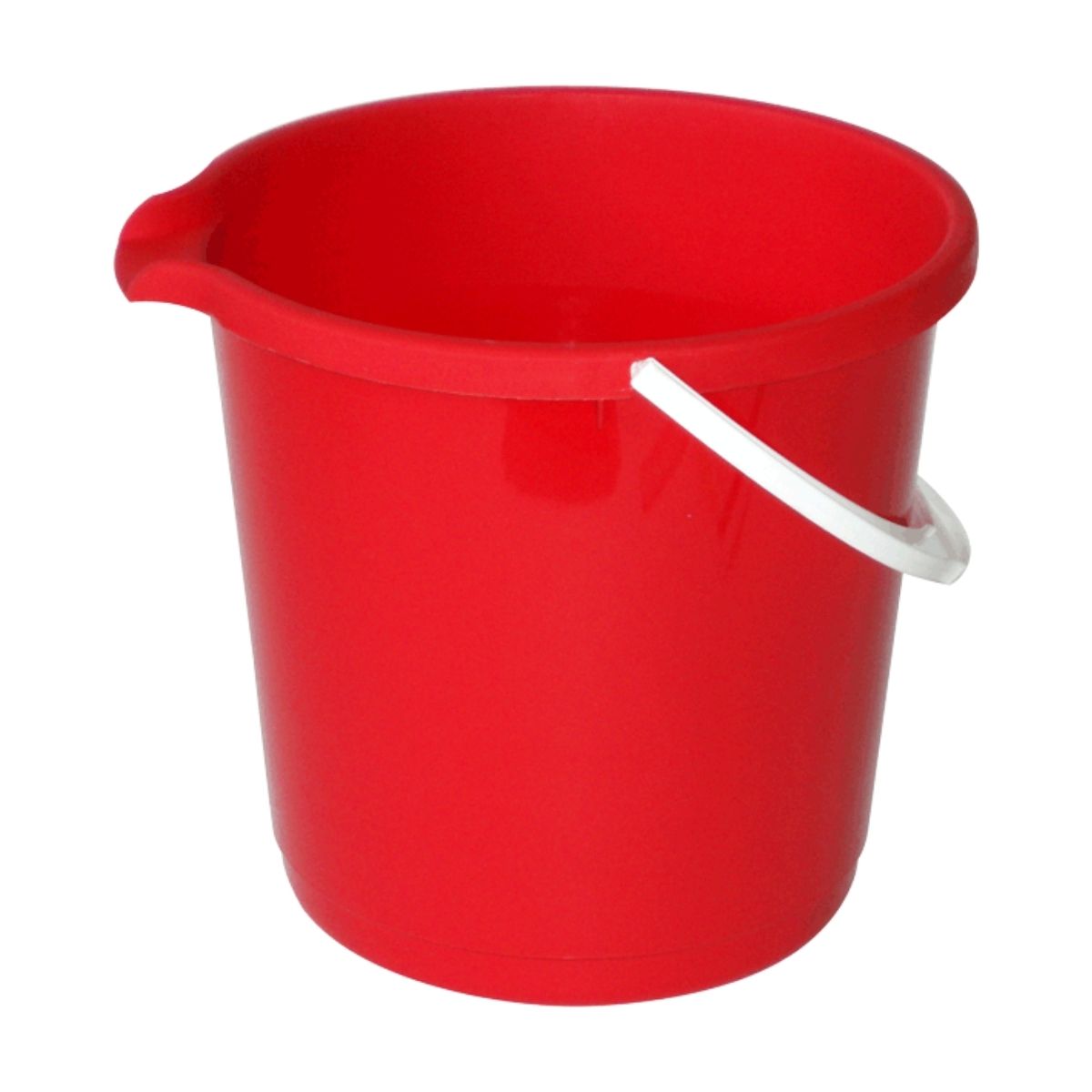
The Bucket Hack: Our Multipurpose Buckets aren’t just for cleaning. In winter, they make excellent “gravity weights” for lightweight outdoor furniture that might blow away during a storm—simply fill them with sand or water and tether your table legs to them.
Step 2: The Garden Pivot (Planters & Drainage)
Your plants are also preparing for dormancy. In summer, we fight to keep moisture in. In winter, we fight to let it out.
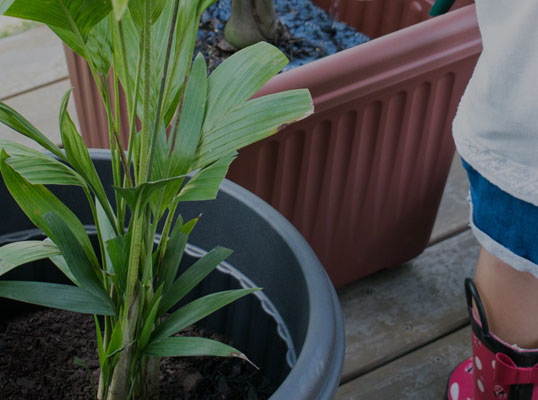
Clear the Drainage: Heavy Autumn rains can easily drown a plant if the drainage holes are blocked by debris or old roots. Take a moment to lift your Trend Planters and ensure the drainage path is clear.
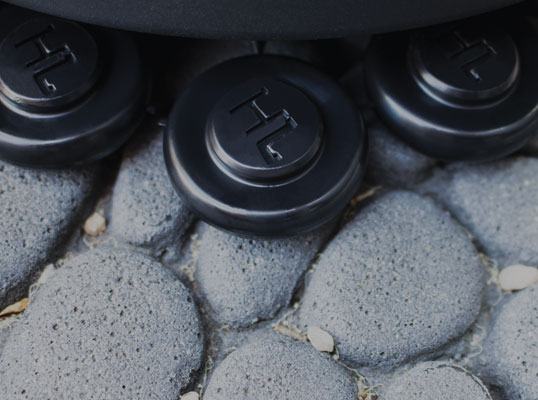
The “Feet” Trick: Elevate your pots slightly. Using “pot feet” or even small stones underneath your Home Leisure Pots prevents water from pooling underneath, which can rot both the plant’s roots and your deck boards.
Relocation: Some plants are “sun-seekers.” As the sun’s path moves lower in the sky during April, you may need to move your Self-Watering Pots to a north-facing wall to capture every available minute of Vitamin D.
Step 3: Creating the "Cozy Zone"
Winter-proofing isn’t just about protection; it’s about adaptation. You can still enjoy your balcony on a 15°C day if the environment is designed for it.
Windbreaks: Use larger Rectangular Planters filled with hardy, evergreen shrubs (like Buxus or Sasanqua Camellias) to create a natural windbreak. This can raise the ambient temperature of a balcony by several degrees.
Lighting: As the 5:00 PM darkness sets in, lighting becomes essential. Use waterproof LED strings or lanterns. Keep the spare batteries or charging cables organized in a Small Utility Box near the back door so you’re never left in the dark.
The “Boot Station”: Winter means mud. Place a Sturdy Utility Tub just inside or outside the door. It serves as a dedicated “drop zone” for muddy boots and wet umbrellas, keeping the dampness of winter from invading your clean, organized indoors.
Step 4: Sustainability in the Shade
Frequently Asked Questions
1. Should I empty my self-watering pots for winter?
Not necessarily. While plants drink less in winter, they still need consistent moisture. However, ensure the overflow hole is completely clear so that heavy rains don’t flood the reservoir and drown the roots.
2. Can I leave my Home Leisure storage tubs outside under a patio?
Yes. Our StoreMax and Heavy Duty ranges are built to be tough. However, for maximum longevity, we recommend placing them under cover (like a veranda or carport) to avoid direct, constant exposure to driving rain.
3. How do I stop my outdoor pots from staining my tiles in winter?
Staining usually happens when dirt and tannins from the potting mix wash out and sit on the tiles. Our Self-Watering Pots are excellent for this, as the reservoir catches the runoff. For standard pots, ensure you use a saucer or “pot feet” to allow air to circulate underneath.
4. What is the best way to clean my outdoor gear before storing it?
A simple mix of warm water and mild dish soap is perfect. Avoid harsh chemicals, as they can degrade the plastic over time. Ensure everything is 100% dry before sealing it in a storage tub to prevent mould.
5. Are the heavy-duty tubs UV-resistant?
Yes, our products are designed for the harsh Australian sun. While they are “winter-proofing” tools, they won’t become brittle or fade when the sun does eventually come back out.