







1. The Great Container Purge
Before you chop a single vegetable, you need to assess your storage situation. The biggest barrier to efficient batch cooking is fighting with an overflowing drawer of mismatched plastic.
The Solution: Match, Assess, and Invest Pull every single container out of your cupboards. Match every lid to every base.
- Toss the orphans: If it doesn’t have a lid, recycle it.
- Ditch the warped: If the seal is broken or the plastic is heavily warped from the microwave, it’s no longer food-safe or leak-proof.
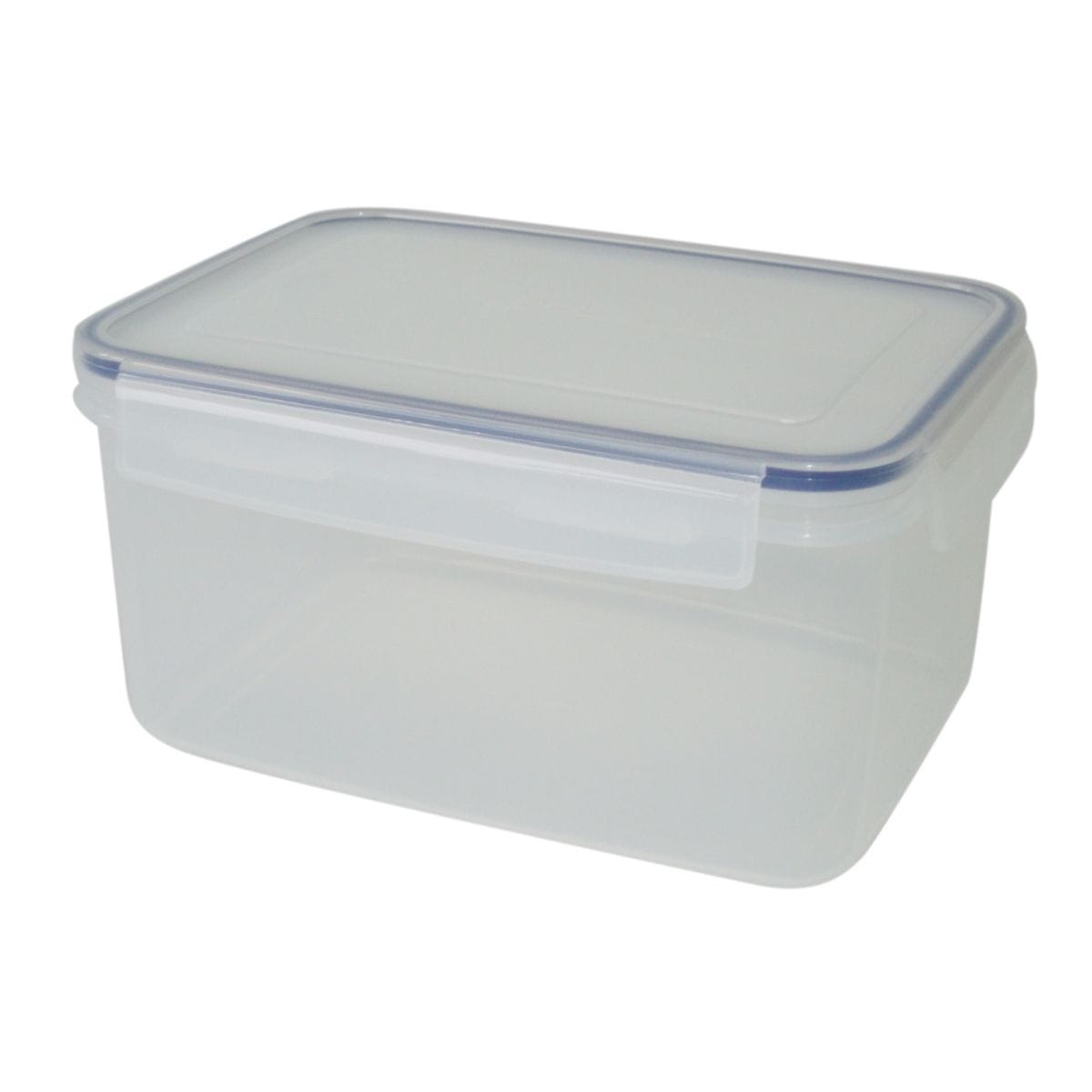
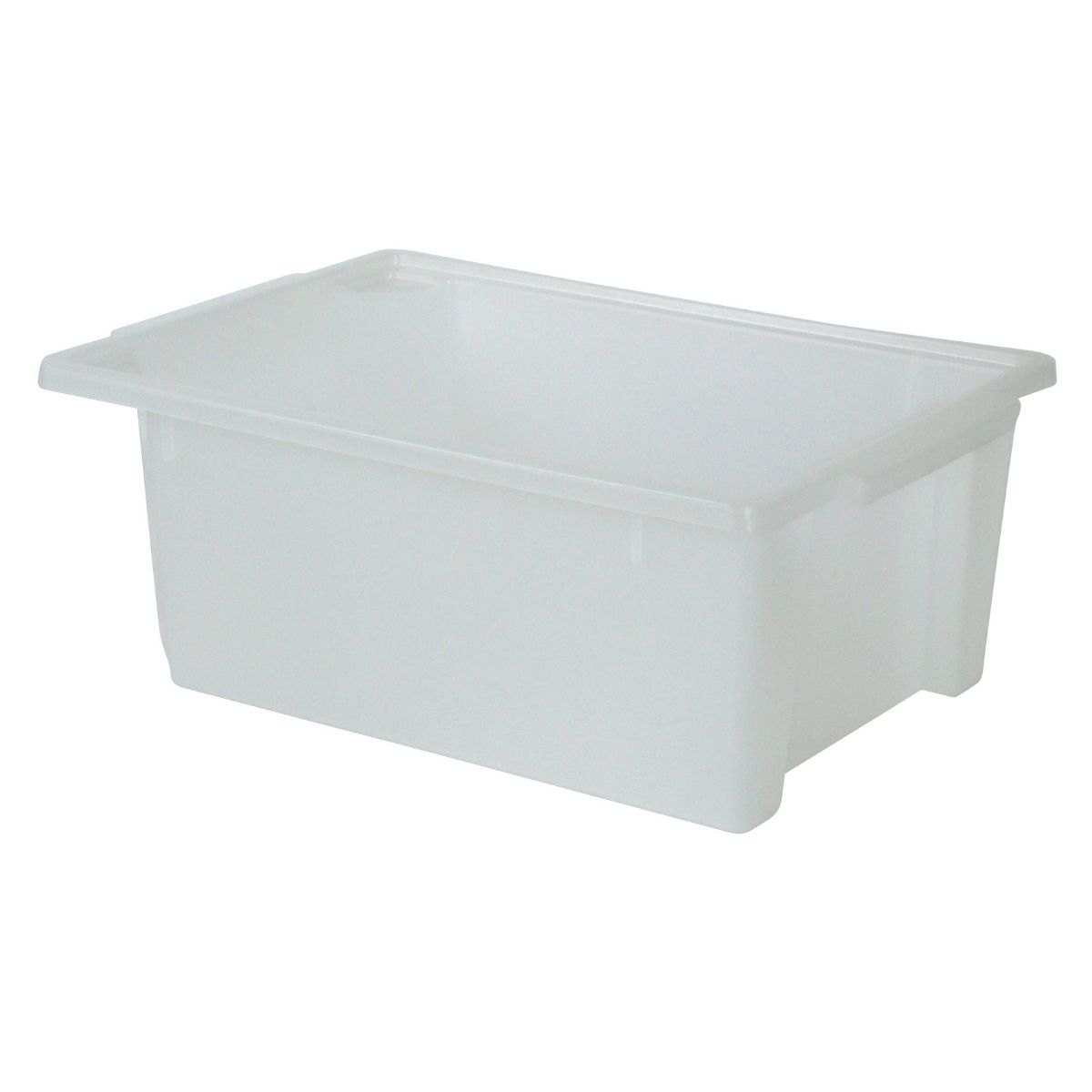
Once you’ve purged the chaos, rebuild your collection with a unified system. Our Container Clip/Close range is designed specifically for the heavy lifting of winter. The airtight clips ensure that your pumpkin soup stays in the container, not all over your fridge shelf. Because they are modular and clear, they stack perfectly, eliminating “fridge blindness” so you never lose track of your leftovers again.
2. Master the Fridge Architecture
Throwing containers randomly onto fridge shelves leads to wasted space and wasted food. Treat your fridge like a filing cabinet for your week.
The Solution: Zoned Stacking and Bulk Liquids Store your prepped meals at eye level. Use the sturdy, stackable nature of your Clip/Close containers to create vertical towers—soups on the bottom, lighter salads or cut veggies on top.
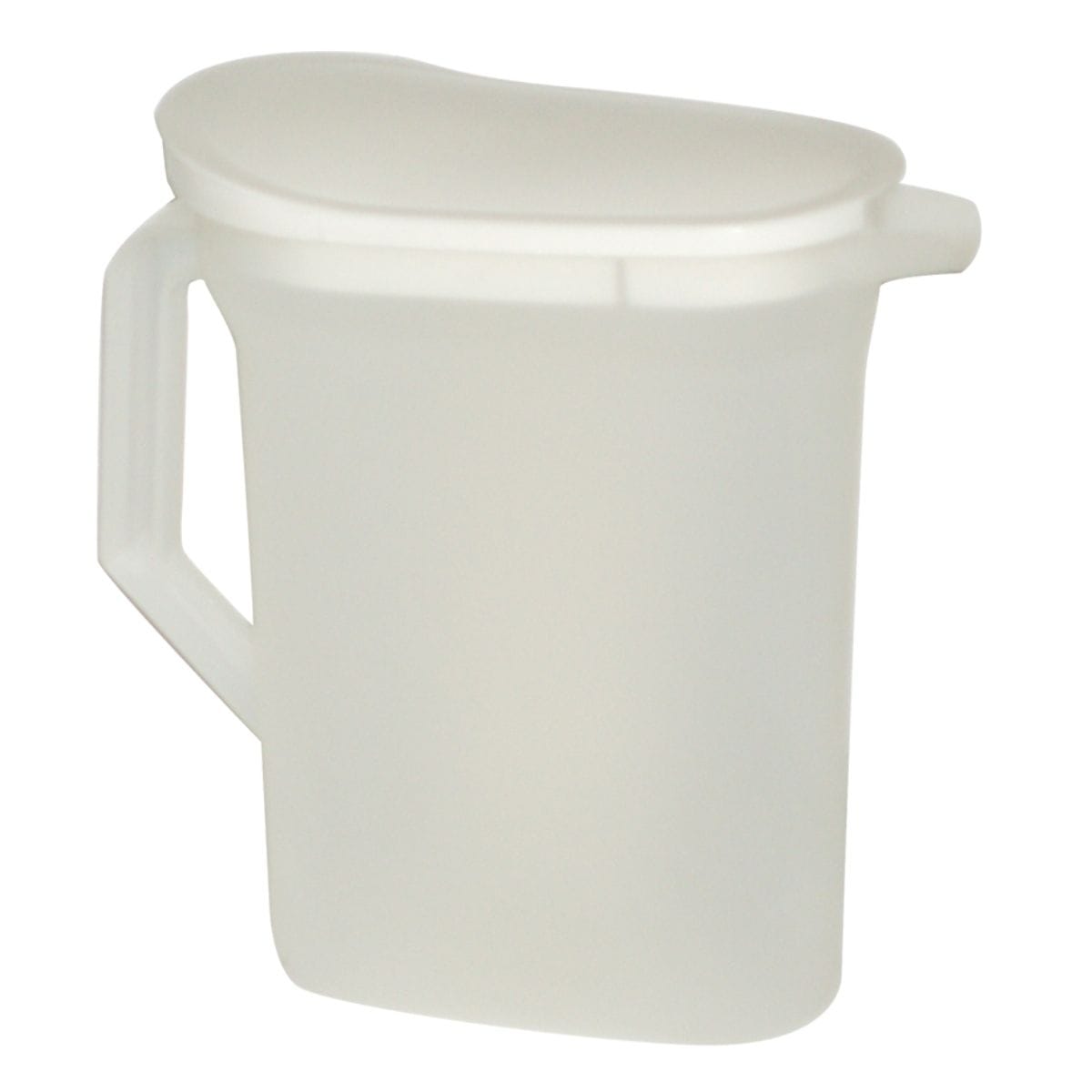
Don’t forget your liquids. Winter means homemade bone broths, bulk gravy, and winter cordials. Stop wrestling with awkwardly shaped pots in the fridge. Transfer liquids into our Jug Flip Top 2.5L. Designed to fit seamlessly into the fridge door, it frees up vital shelf space and makes pouring incredibly easy.
3. Streamlining the Prep Station
Efficient cooking requires efficient tools. If you are rummaging through a tangled mess of wooden spoons, spatulas, and peelers every time you need to stir the pot, your kitchen flow is broken.
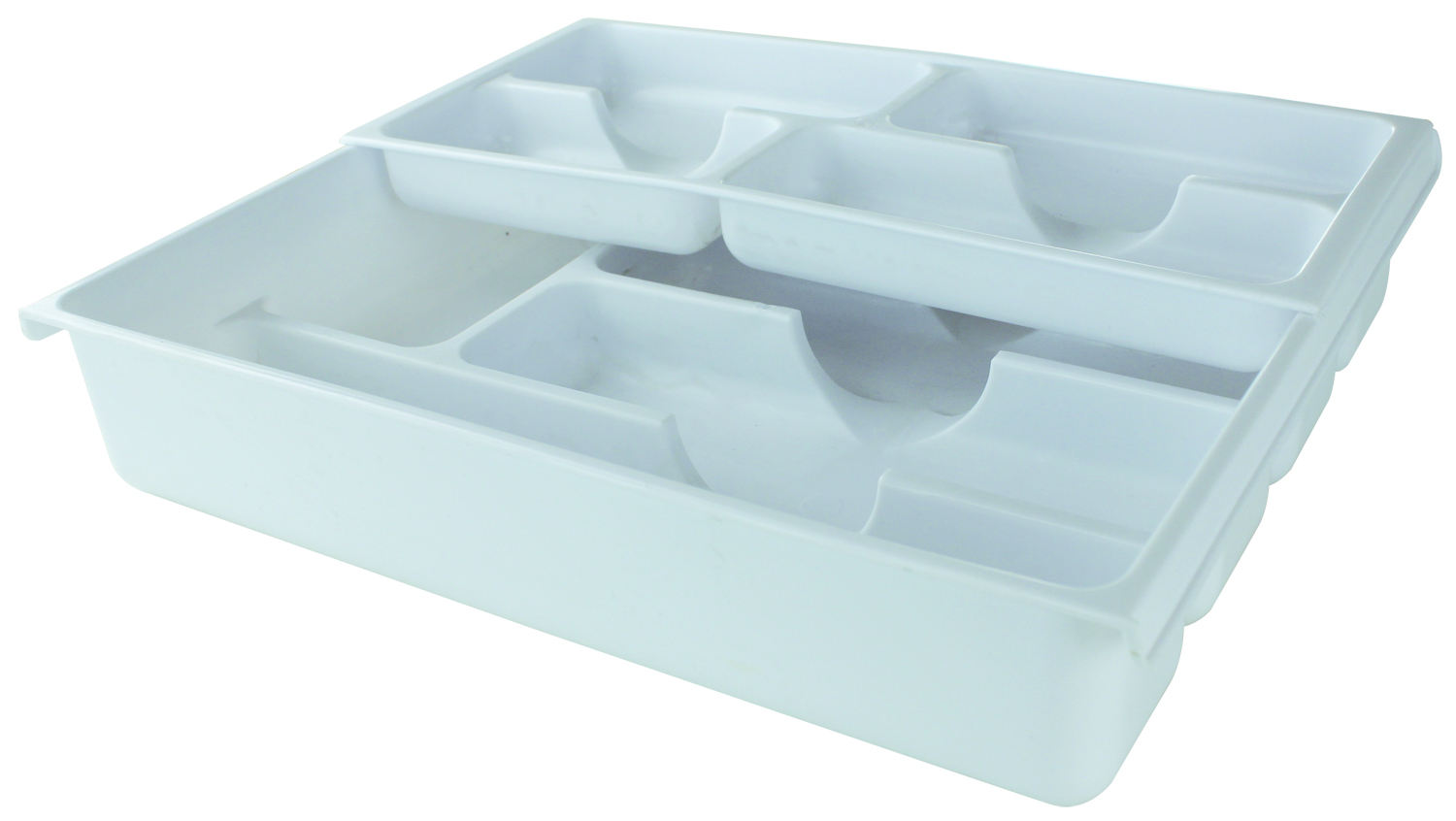
The Solution: The Double Up System Clear out your primary kitchen drawer. Remove everything you haven’t used in the last month. To maximize the space you have, implement the Double Up Cutlery Tray. By utilizing vertical space within the drawer, you can separate your heavy-duty winter cooking utensils from your everyday cutlery, ensuring everything you need is exactly where your hand expects it to be.
4. Resetting the Sink
The meal is cooked, the fridge is stocked, but the kitchen looks like a disaster zone. Heavy-duty winter cooking involves large stockpots, slow-cooker inserts, and roasting pans that simply won’t fit in the dishwasher.
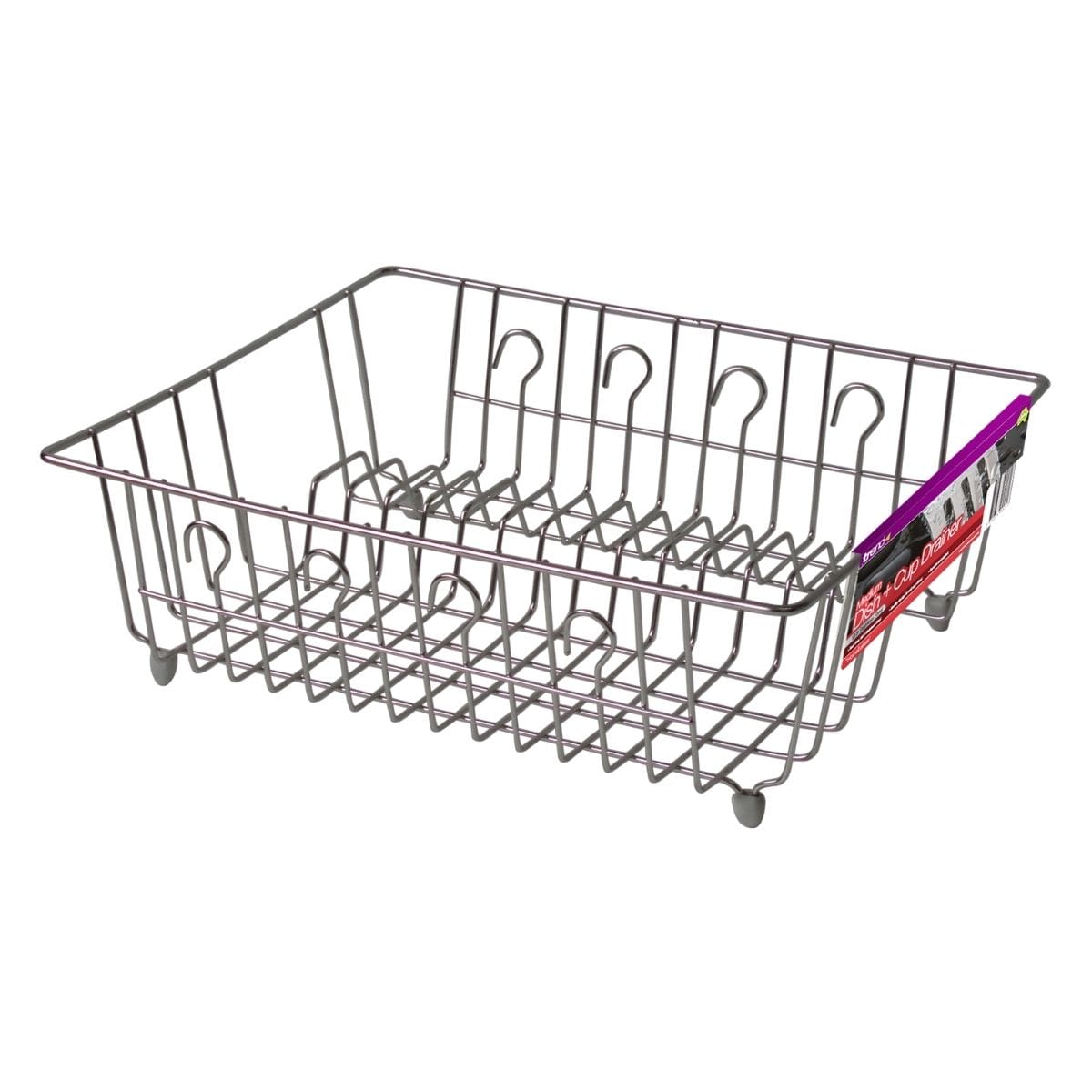
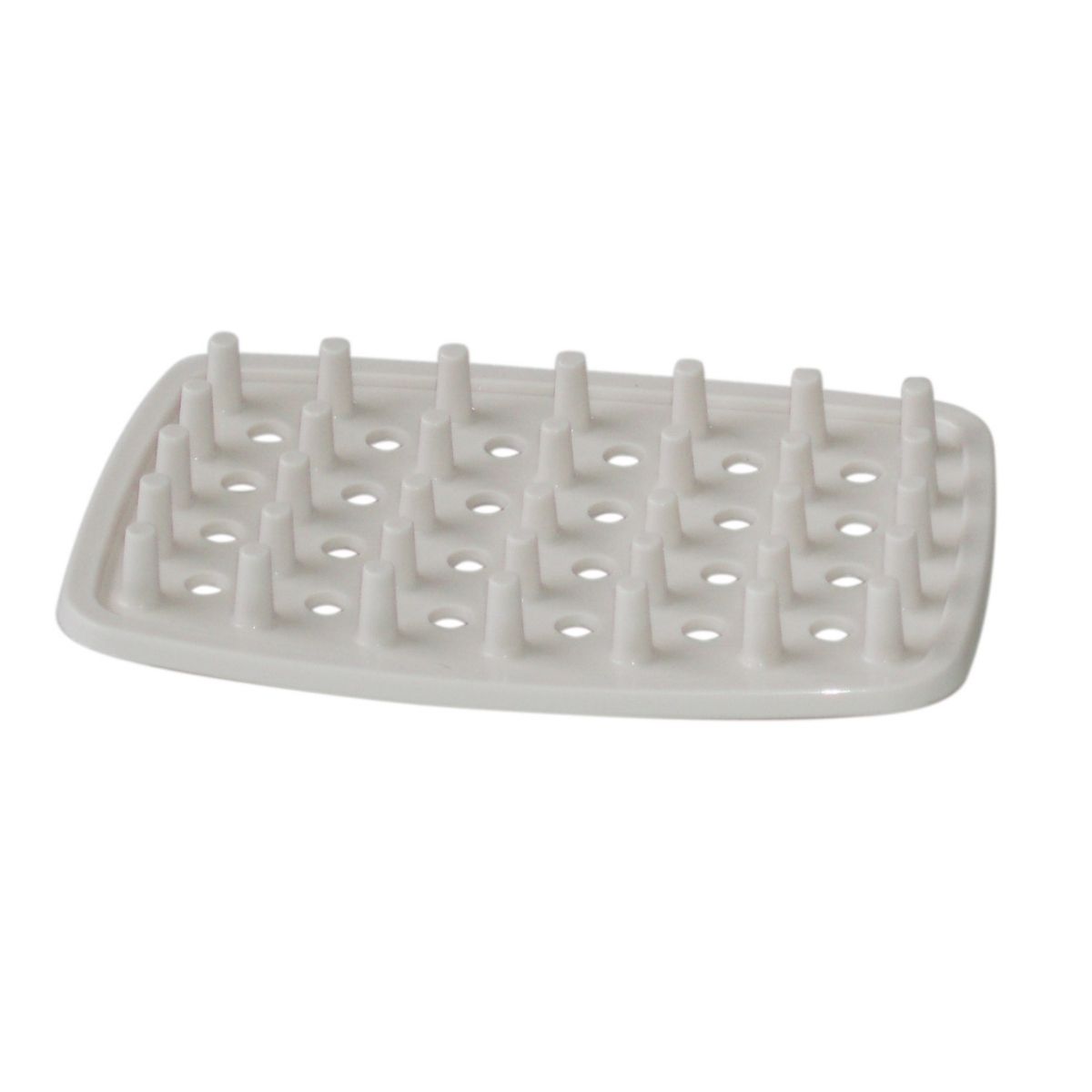
The Solution: A High-Capacity Draining Zone A standard, flimsy dish rack won’t cut it during winter prep. You need a robust Dish Drainer capable of holding heavy, awkwardly shaped items securely while they air dry. A proper drainer keeps water off your countertops and allows you to load up the sink’s aftermath quickly, turning a stressful chore into a fast, satisfying kitchen reset.
Maintaining the Routine
Frequently Asked Questions
1. How do I stop tomato-based stews from staining my containers?
Before adding tomato-based meals to your plastic containers, lightly spray the inside with olive oil or cooking spray. This creates a barrier that helps prevent the red pigment from locking into the plastic.
2. Are Home Leisure Clip/Close containers microwave safe?
Yes, our Clip/Close range is designed to go from the fridge to the microwave safely. Just remember to unclip and loosen the lid before heating to allow steam to escape.
3. Why is it important to use clear containers in the fridge?
Visibility prevents food waste. When you can see exactly what is inside a container without opening it, you are significantly more likely to eat the leftovers before they spoil.
4. Where is Home Leisure based?
We are proudly an Australian-owned company, passionate about creating durable, sustainable solutions for everyday household problems.
5. How often should I audit my kitchen containers?
We recommend a quick 10-minute audit at the start of every season to clear out missing pieces and prepare for the shift in how you cook and store food.
Ready to streamline your Sunday meal prep?
Explore our complete Kitchen & Food Storage Collection and build a system that works for your home this winter.