


Buy any 2 Mister Magic Ovettos and get one FREE Little Ghosts gift!

Secure checkout

    • Garden
        • Accessories

        • Decorative Pots

        • Hanging Baskets

        • Propagation

        • Specialist Pots

        • Standard Pots

      • Join our Garden Club

        Subscribe to our Garden Club to receive garden advice direct to your email inbox.

    • Kitchen
        • Double Up Cutlery Tray White

        • Medium Dish Drainer Stainless Steel

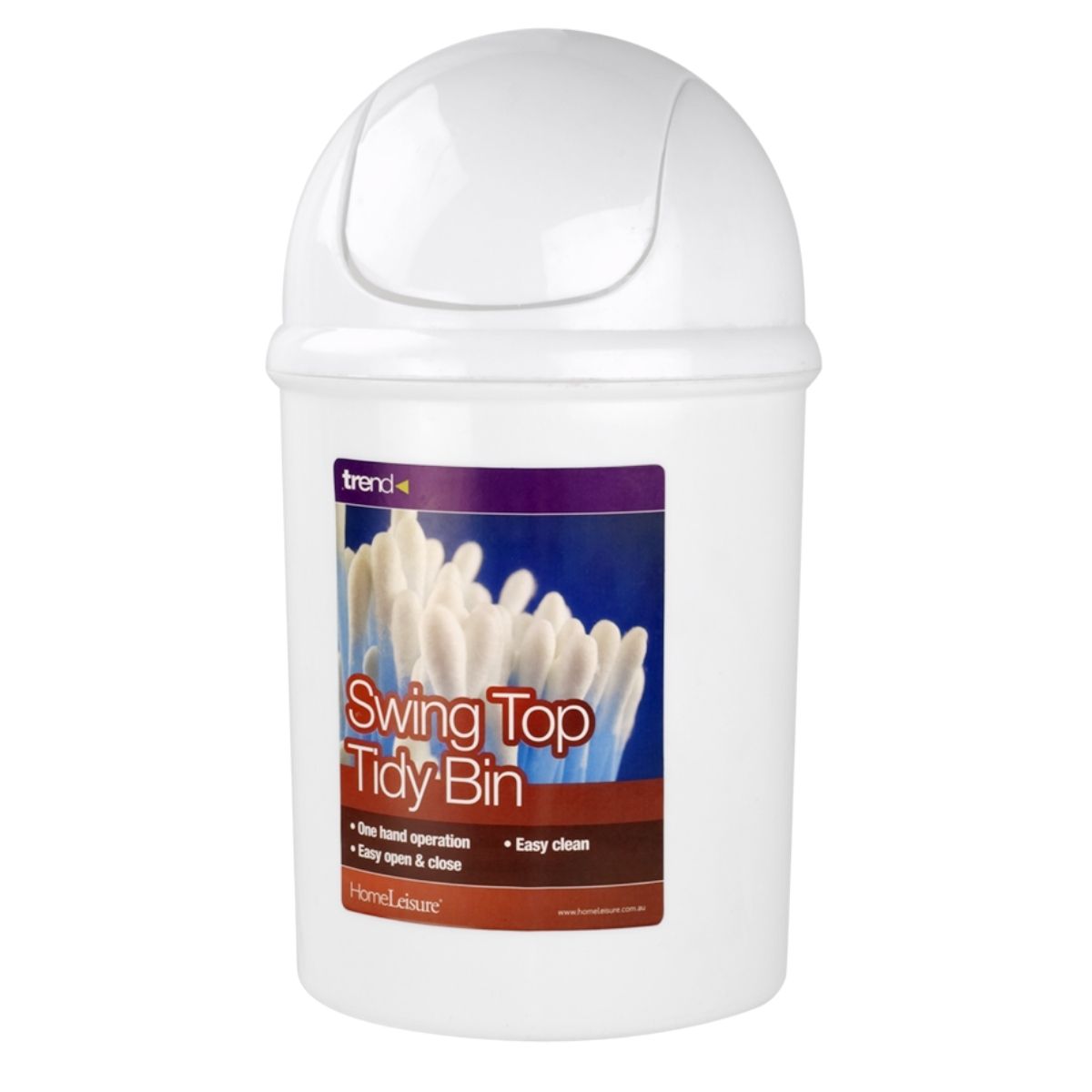
        • Swing Top Bin 5L White

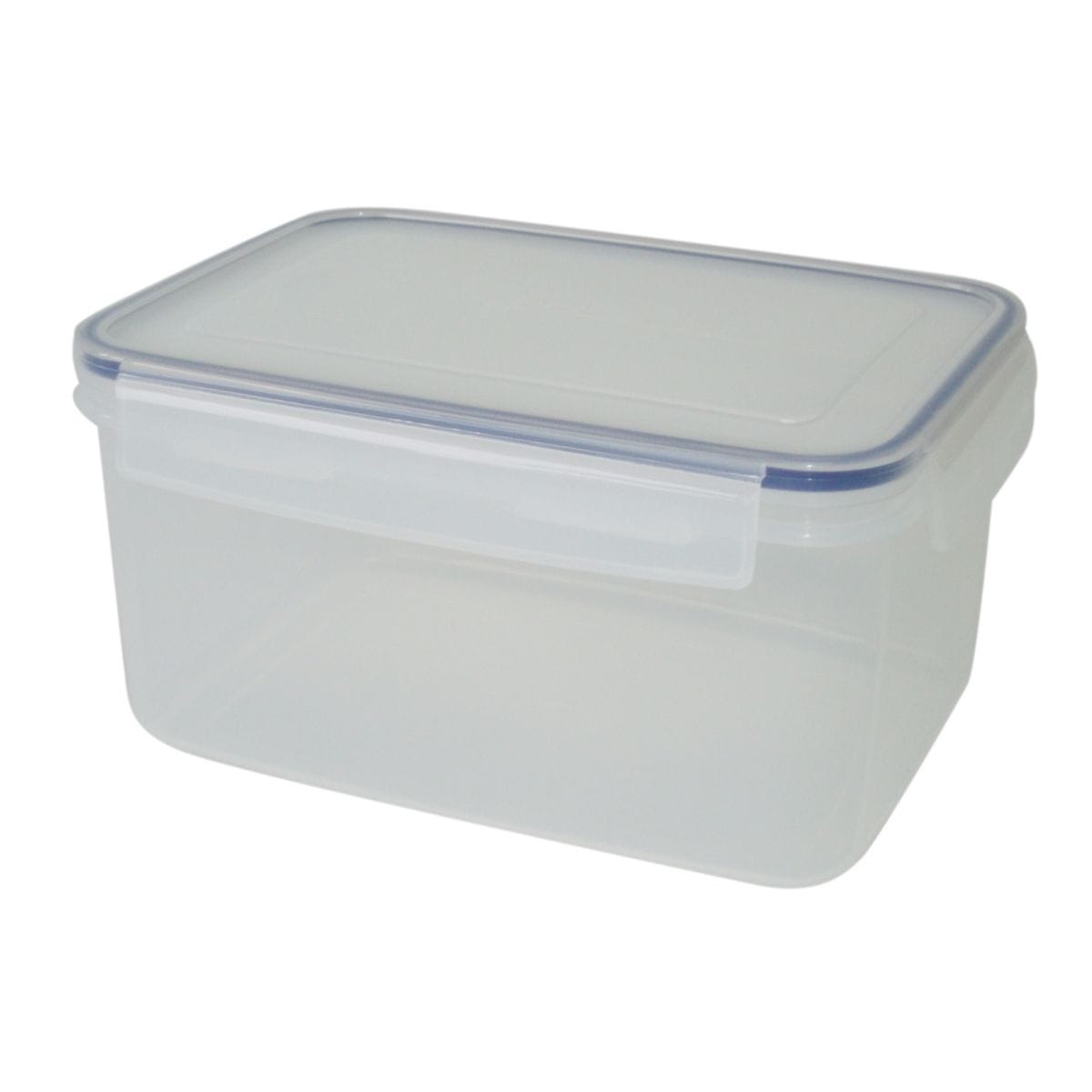
        • Container Clip/Close Rectangle 2.4l

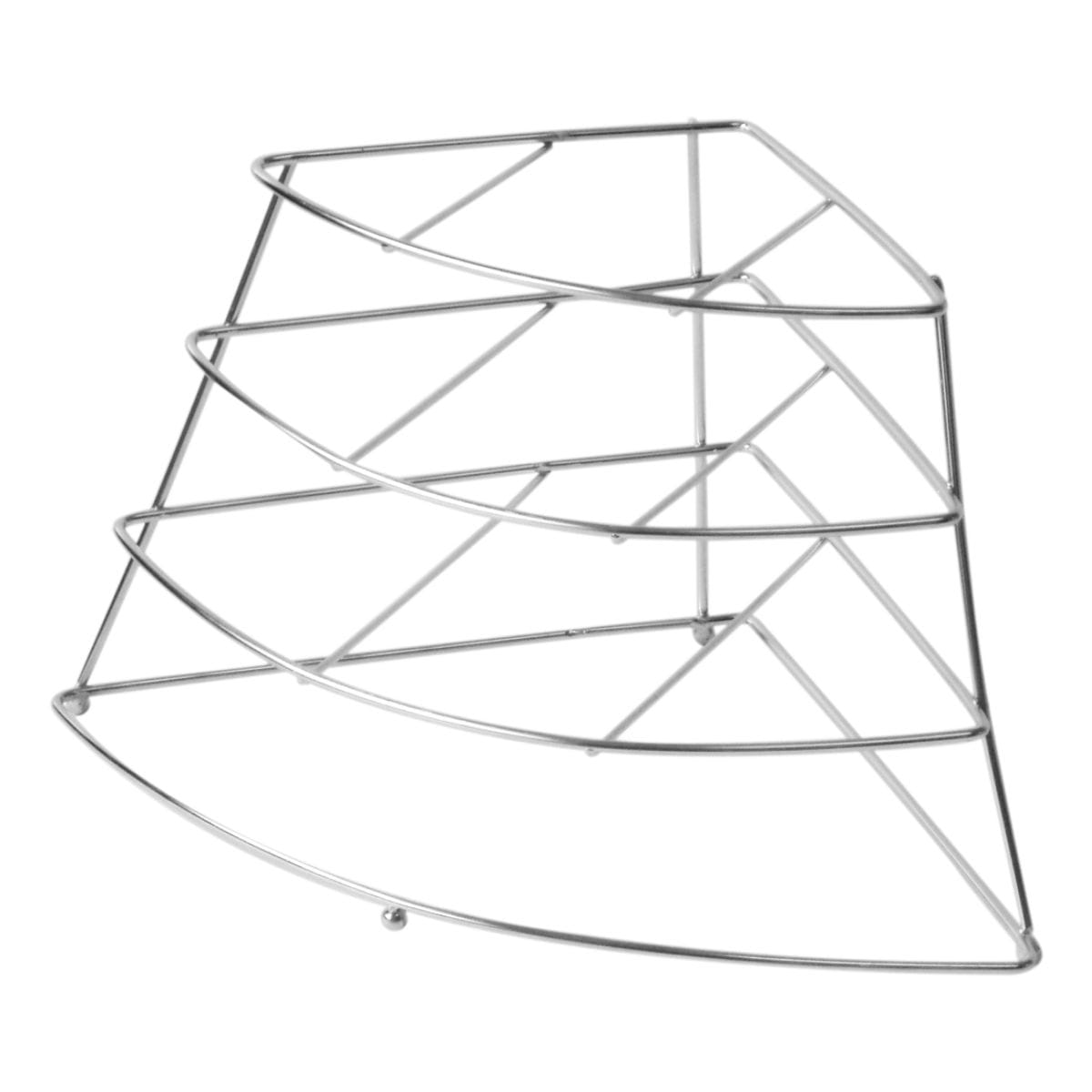
        • Corner Plate Stacker Stainless Steel

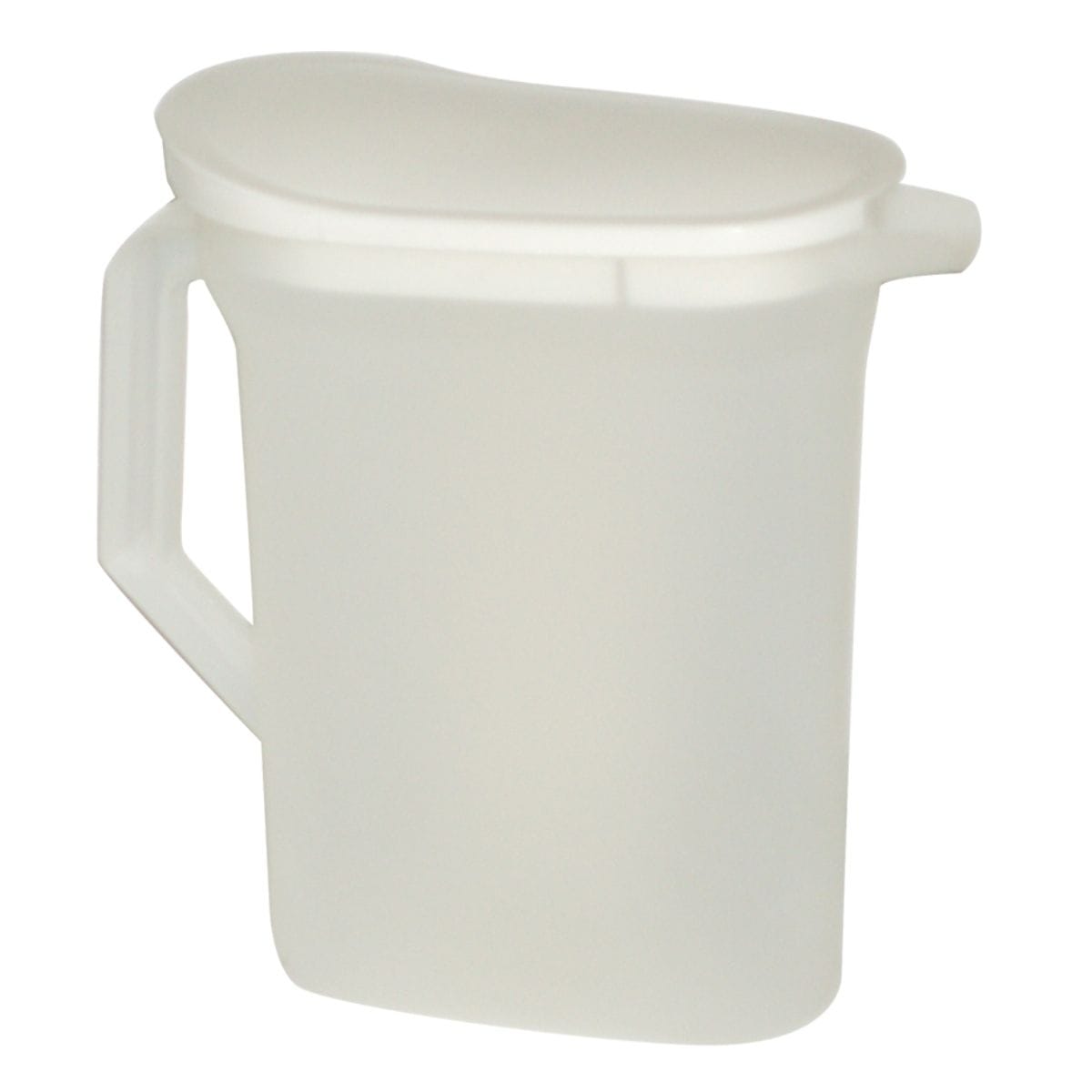
        • Jug Flip Top 2.5L

    • Storage
        • Extension Cord Tidy Orange

        • Shoe Rack

        • StoreMax Stacking Tub 24L Clear

        • Foot Stool White

        • Spacemaker 2.5L Blue

        • Plate Holder 197mm Black

    • Bathroom
        • Soap Saver White

        • Bathroom Caddy White

        • Toothbrush Holder

        • Towel Hanger Small

        • Shower Caddy White

        • Soap Swing White

    • Laundry
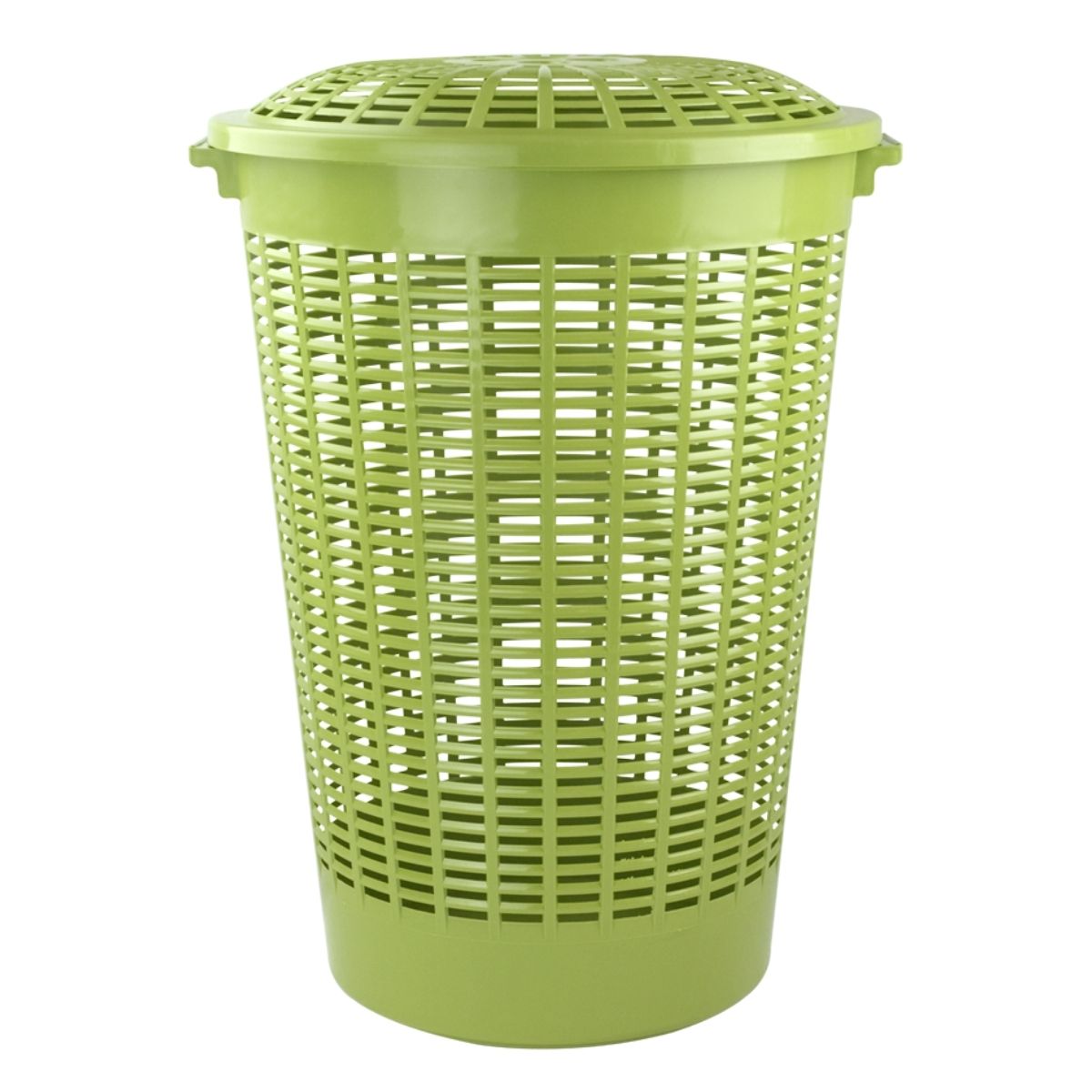
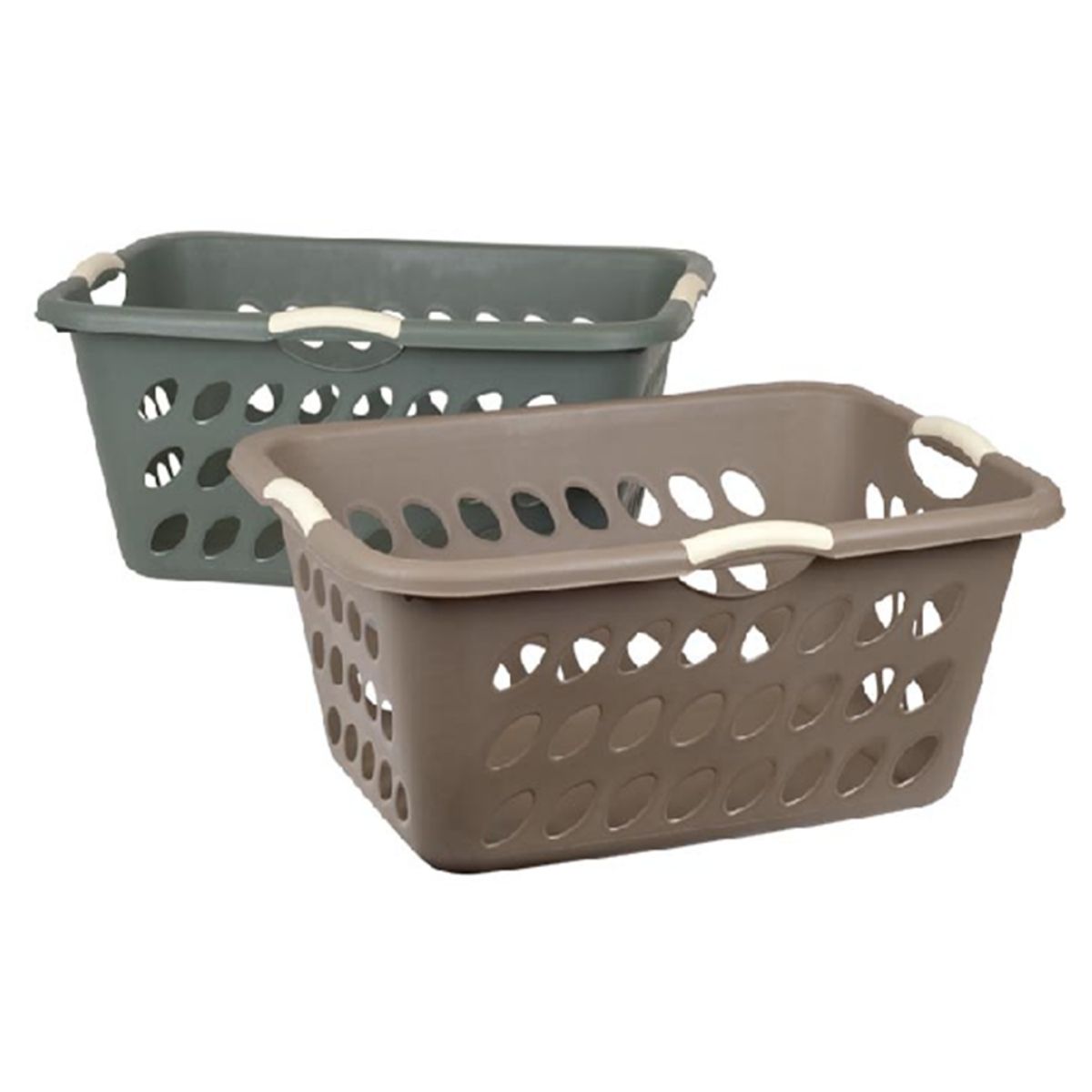
        • Linen Hamper 62L Green

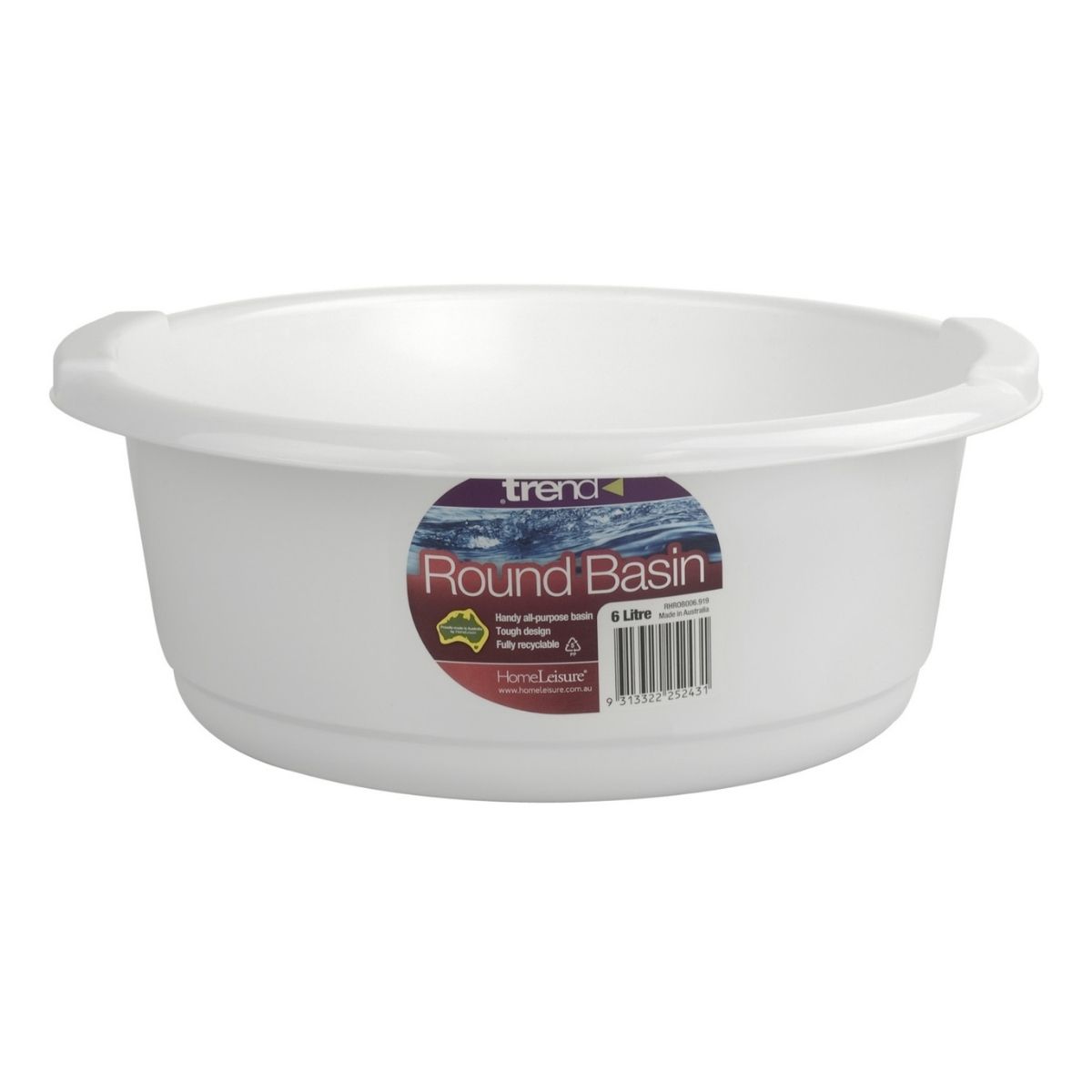
        • Basin Round 6L White

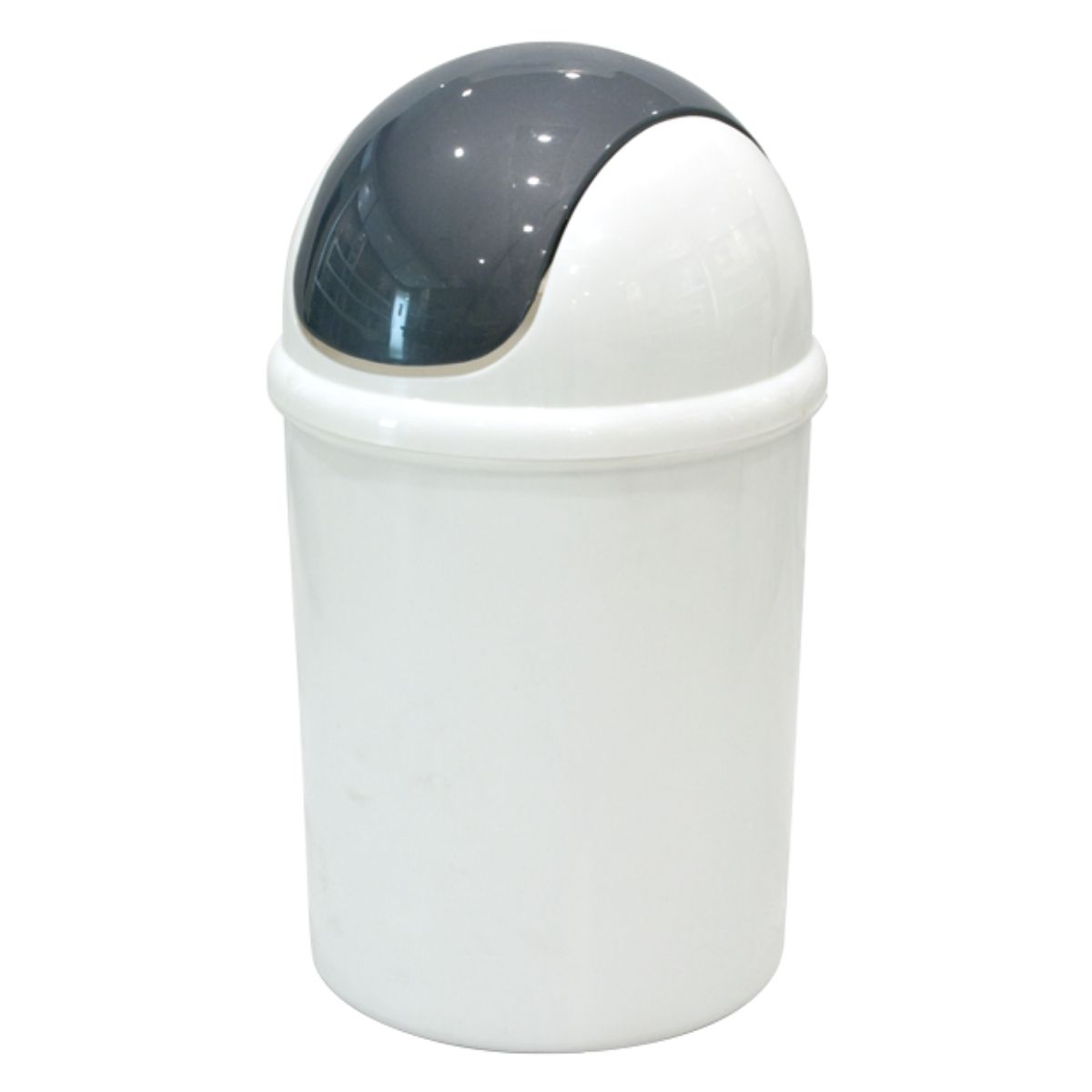
        • Swing Top Bin 5L White/Silver

        • Hip Hugger 45L Earth

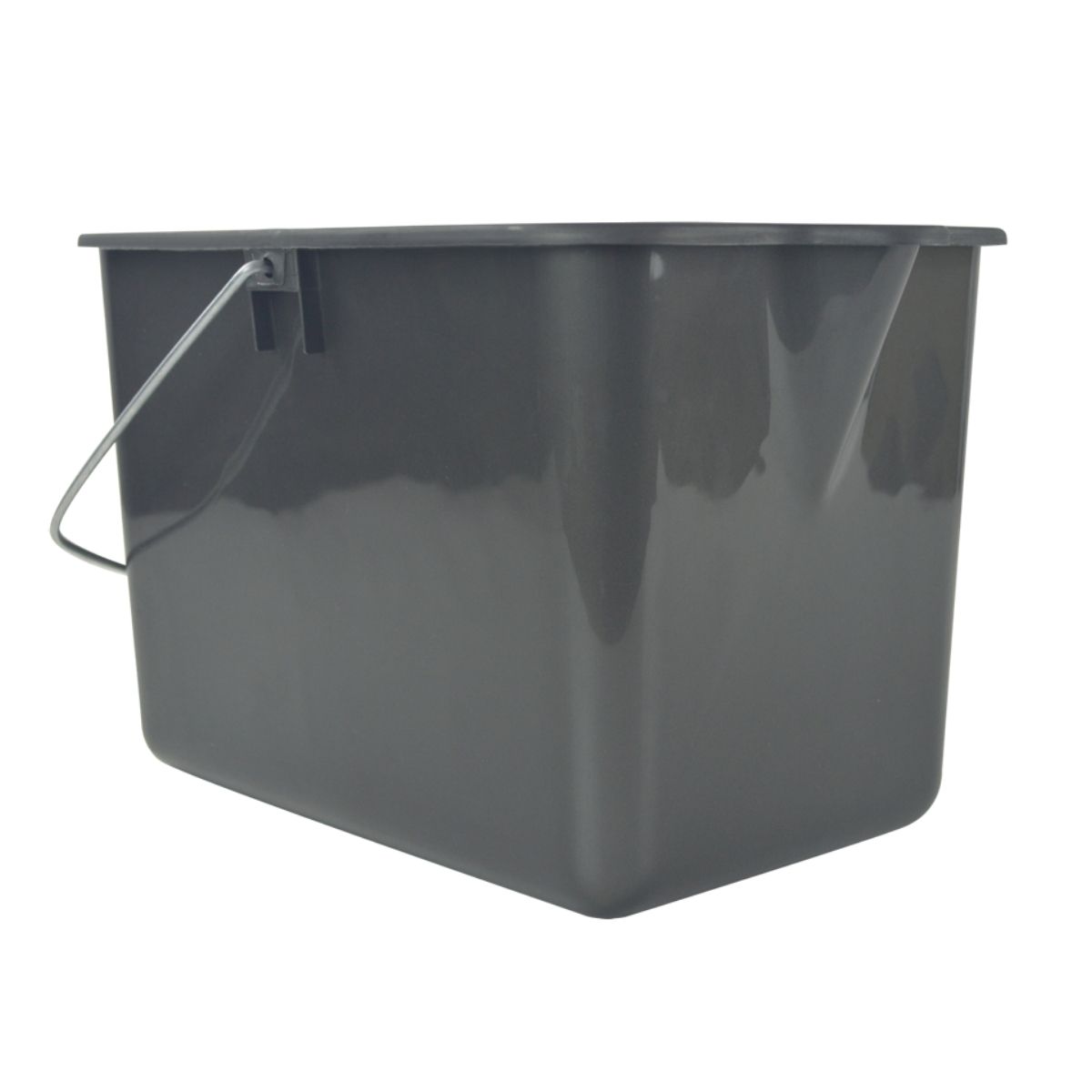
        • Mop Bucket With Lip 9L Dark Grey

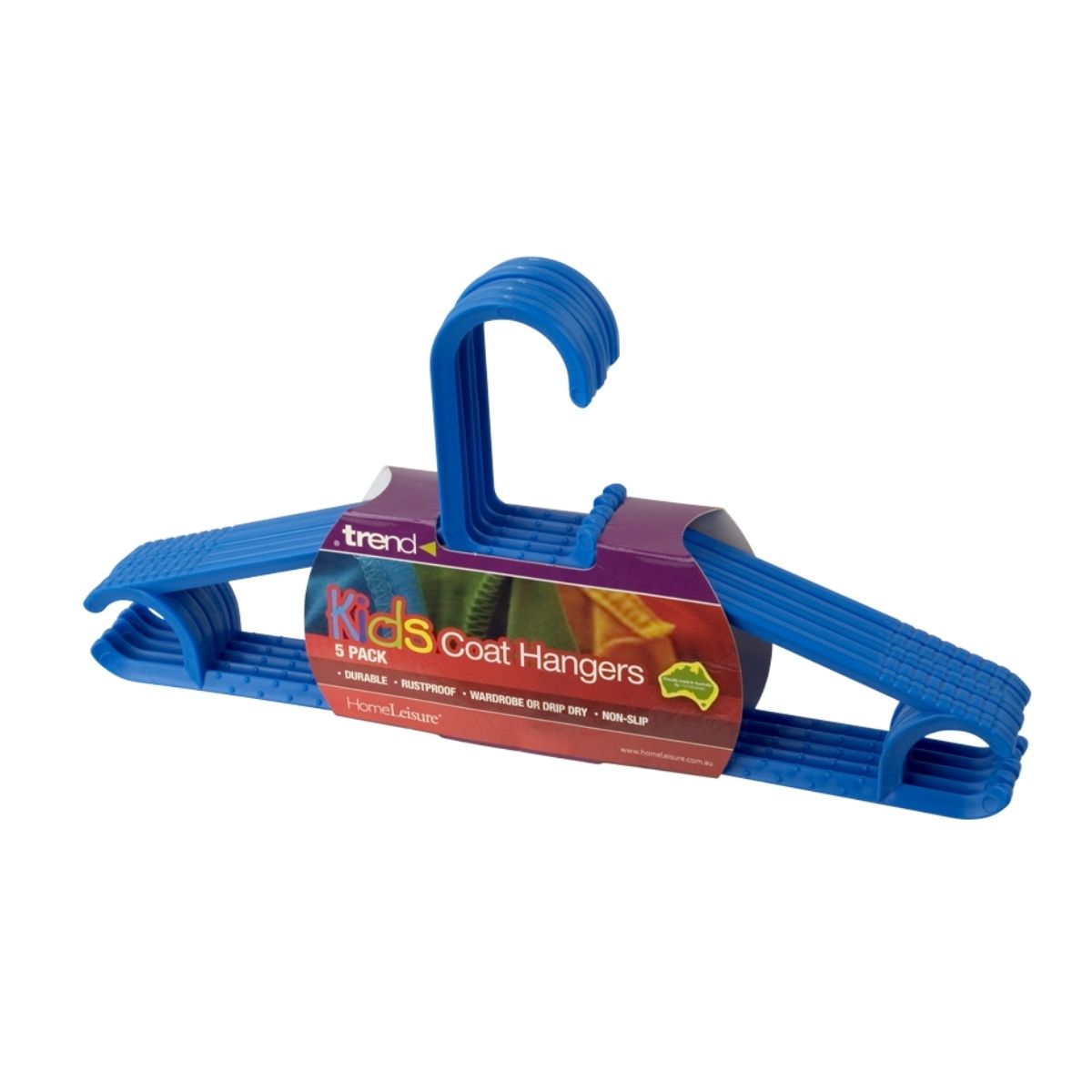
        • Coat Hanger Kids Pk5 Blue

    • Garage
        • Oil Change Pan 6L

        • Bucket 11L Baby Red

        • Padbolt Zinc Plated 100mm

        • Padbolt Zinc Plated 150mm

        • Padbolt Zinc Plated 200mm

  • Blogs
  • Garden Club
  • About Us

No-Fuss Balcony Jungle: Self-Watering Planters That Work

  1. Home
  2. Gardening
  3. No-Fuss Balcony Jungle: Self-Watering Planters That Work

You want greenery. You want calm. You want your balcony to feel like a sanctuary—but between work, life, and that one time your basil turned into mush, gardening can feel overwhelming.

What if there was a solution that made plant care easy—even for forgetful waterers and busy renters? Enter: Self-watering planters.

These clever planters aren’t just a hack; they’re a lifestyle shift that lets you garden smarter, not harder. In this guide, we’ll show you how to use them to create your own no-fuss balcony jungle.

The Problem: Why Traditional Pots Fail in Small Spaces
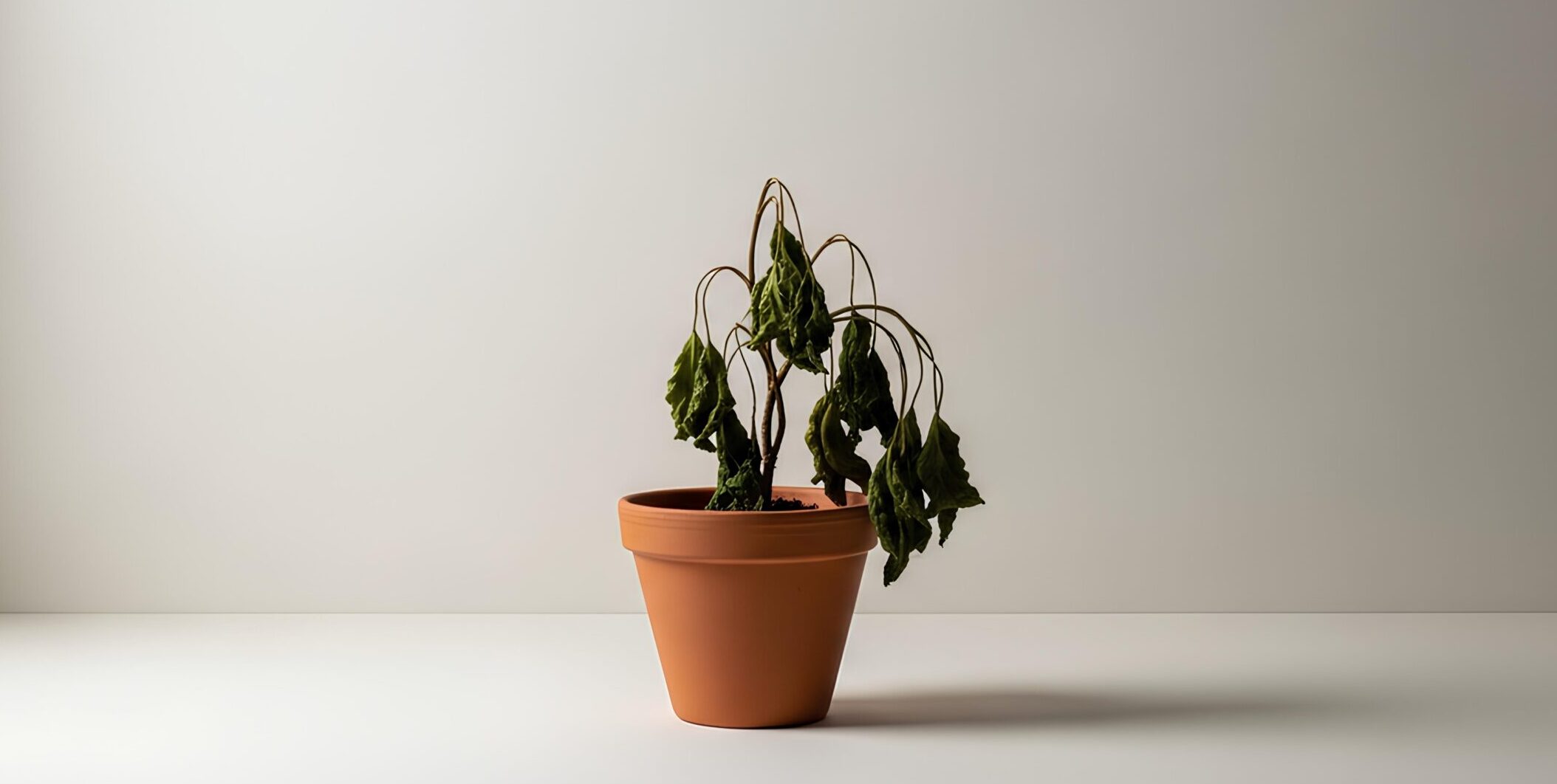
Image of a wilting potted plant signifying dormancy, failure, or neglect. The plant's drooping leaves and overall lifeless appearance convey a sense of sadness and decay. The minimal background emphasizes the plant's isolation and emphasizes the themes of death and loss
Let’s be honest—most of us have:
  • Overwatered a plant until it rotted.
  • Underwatered one until it drooped like last week’s lettuce.
  • Forgotten to water completely. (No shame. We’ve been there.)

Balcony gardening adds another layer: wind, intense sun, limited space, and no drainage options can make plant parenting feel like a science experiment.

But here’s the good news—self-watering planters fix all of that.

The Solution: How Self-Watering Planters Work
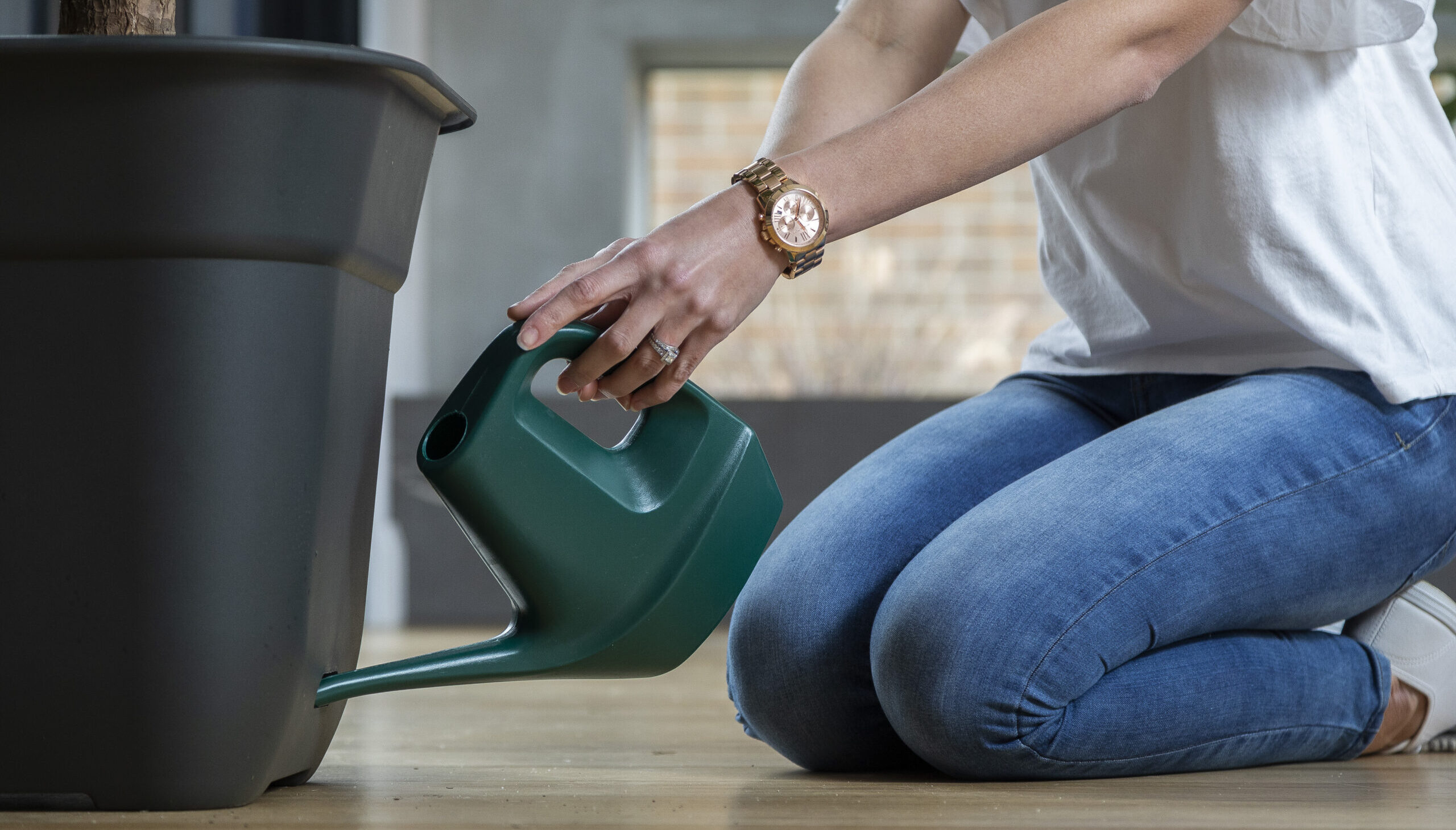
HomeLeisure’s WaterSaver™ planters are designed specifically for Aussie conditions. They include:
  • A built-in reservoir that holds extra water.
  • A wicking system that allows the plant to drink what it needs—when it needs it.
  • Overflow protection so roots never sit soggy.

Think of it like a smart hydration system for your plants. It takes the guesswork—and stress—out of watering.

“I forget to water for a week and everything’s still green. Magic.” – Luke G., Sydney

Step-by-Step: Build Your Balcony Jungle

1. Choose the Right Planter

For small balconies, go vertical or rectangular.

Tip: Choose earthy tones like terracotta or slate to complement modern outdoor styling.

WaterSaver Trough 600mm Grey Beige in a balcony railing

WaterSaver Troughs (60cm+) fit snugly along railings.
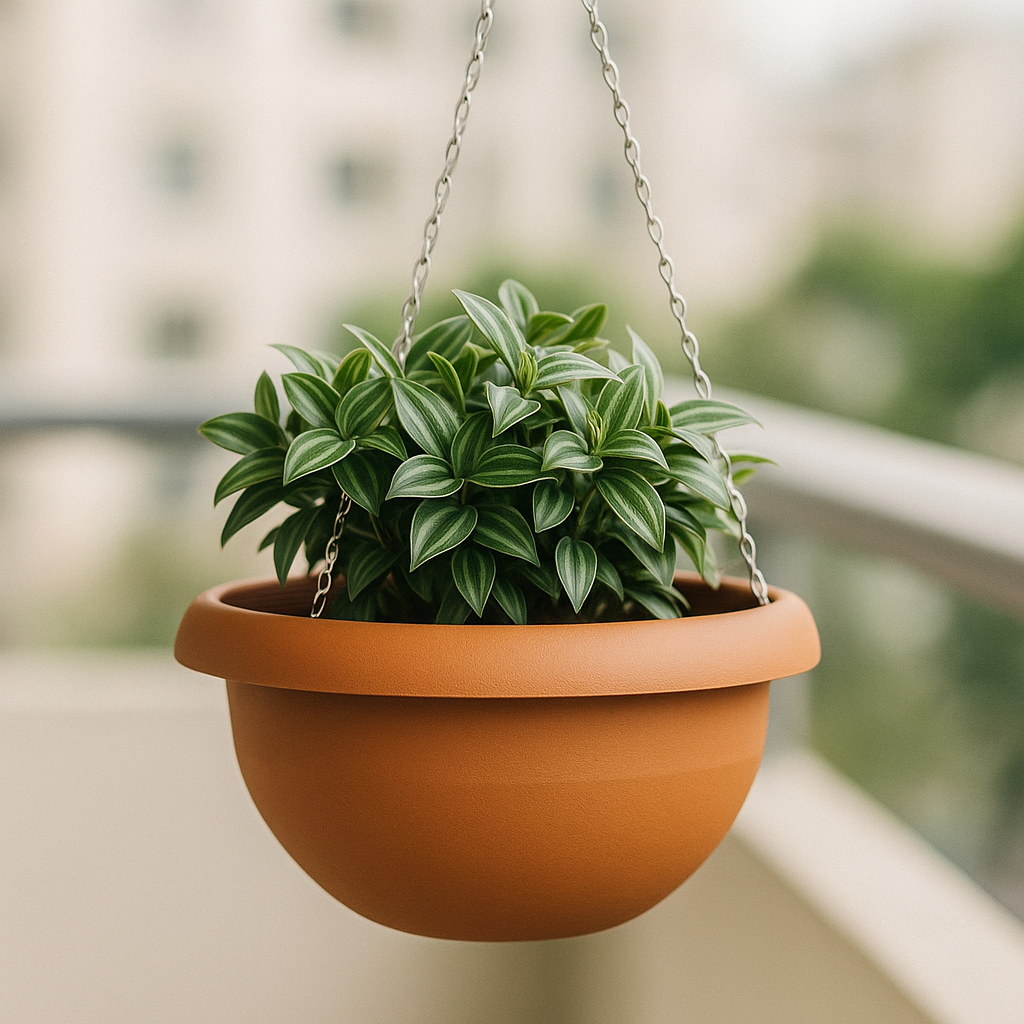
Hanging WaterSaver Pots are ideal for renters—lightweight and stylish.
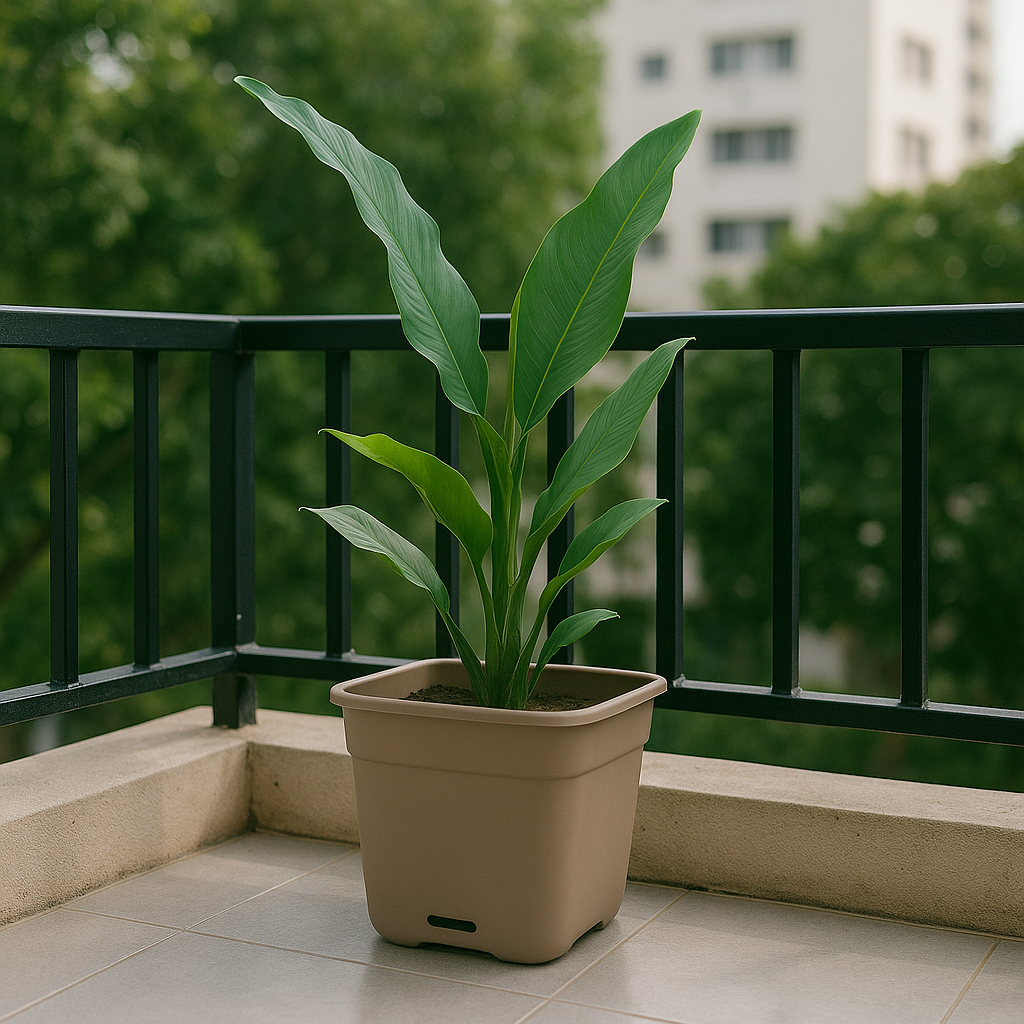
WaterSaver Square 500mm Taupe in a balcony setting

Square WaterSaver Planters work well for statement plants.

2. Pick Your Balcony-Friendly Plants
Go for resilient, high-reward options:
  • Herbs: Mint, basil, thyme (snip while you sip)
  • Flowers: Petunias, nasturtiums, pansies (colour splash)
  • Greenery: Spider plants, pothos, peace lilies (low-care lushness)
Choose based on:
  • Sun exposure
  • Wind levels
  • Water needs (which self-watering pots regulate beautifully)
3. Assemble Your Jungle Setup
What you’ll need:
  • WaterSaver Planter
  • Potting mix (with water retention beads)
  • Your chosen plants
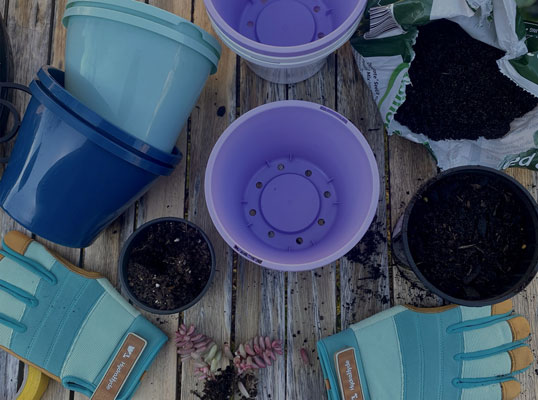
  • Gardening gloves
Steps:
  1. Fill the reservoir with water.
  2. Add potting mix up to ¾ full.
  3. Place plant in, then fill to the top.
  4. Water from above for the first time to activate the wicking system.
  5. Relax—your plant is now self-regulating.
Bonus: You won’t need to water again for 5–10 days, depending on conditions.
4. Style Your Space
  • Add outdoor rugs and string lights for ambiance.
  • Mix tall and trailing plants for visual interest.
  • Use inverted crates or stools to elevate pots.
Pro move: Use a mix of pot sizes for that #UrbanJungle aesthetic.

FAQs

Q: Do self-watering pots work for all plants?
A: Mostly yes—just avoid using them for plants that hate moist roots (like cacti).
Q: How often should I refill the reservoir?
A: Typically every 5–10 days. In summer, check more frequently.
Q: Will it work for indoor plants too?
A: Absolutely. They’re great for peace lilies, calatheas, and pothos indoors.
Q: What size pot should I choose?
A: Match the pot to your plant’s root size. Herbs = small, leafy plants = medium, veggies = larger.
Q: Can I use fertiliser?
A: Yes—use a liquid fertiliser in the top soil, not in the reservoir.

Wrap-Up: Start Your Jungle—No Green Thumb Needed

Self-watering planters are the no-fuss, high-style way to garden smarter. Whether you’re greening up a balcony, patio, or windowsill, they’ll help you build a thriving mini oasis—with minimal effort.

Shop the full WaterSaver™ range at HomeLeisure.com.au

Join the Garden Club to get insider tips and early access to deals

Just fill, plant, and chill.

Latest News

The Mid-Season Pivot: 5 Ways to Master Indoor-Outdoor Living

In the Australian landscape, March is a month of environmental cognitive dissonance. We are emotionally tethered to the long, sun-drenched days of January, yet our biology is beginning to respond to the shortening daylight. The evenings arrive a fraction earlier each...

read more